
'This time actually seems different': Crypto veterans brace for more pain as bitcoin tumbles
 BTC
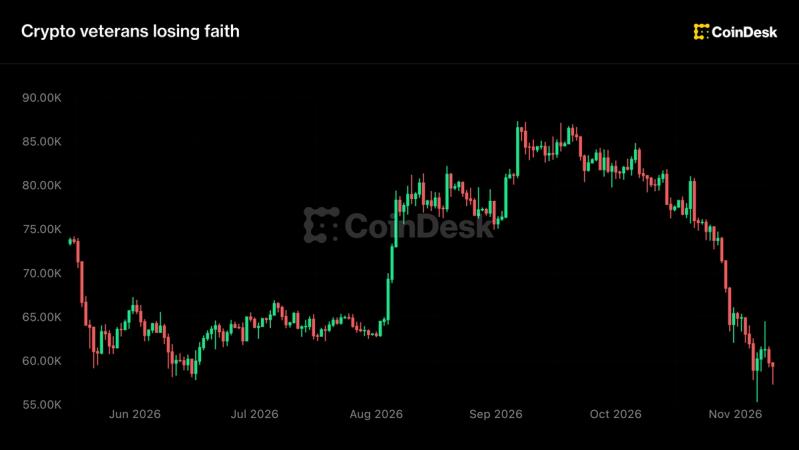
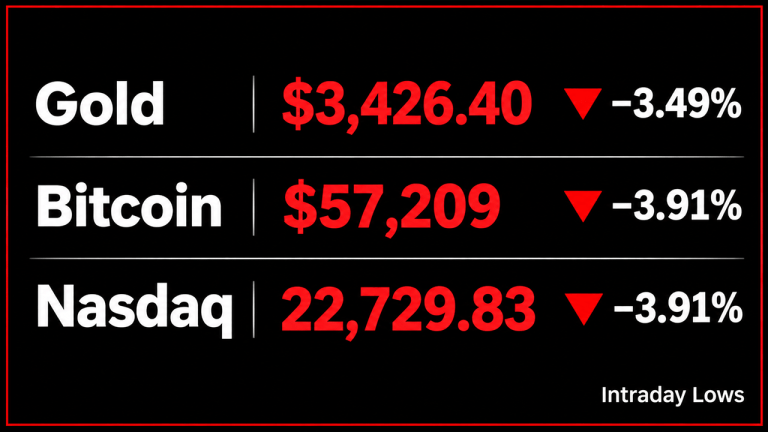
Bitcoin tumbled below $58,000 on Wednesday as another bruising selloff in tech stocks and hotter-than-expected U.S. inflation left crypto investors staring at the prospect of new bear market lows.
BTC fell as low as $57,300 near the U.S. session open before recovering to just above $59,000. It's now back within reach of last weekend's $55,100 low, and analysts who had been calling for a recovery are having second thoughts.
The damage across equity markets was just as severe, as now much of the bounce sparked by Jensen Huang's return as Nvidia CEO on Monday has now evaporated. The Nasdaq 100 sank 4.2% and the S&P 500 lost 2.8% in early U.S. trading, though had managed to sizably trim those declines by the afternoon.
The reasons to sell keep piling up.
"Core PCE came in hotter than expected, complicating the Fed's job heading into 2027," said Matt Mena, senior crypto research strategist at 21Shares.
Bitcoin briefly dropped another 1% after the inflation data, he noted. Mena sees $53,000, roughly bitcoin's realized price, as the next major line to defend. A sustained break below could put $48,500 in play.
Paul Howard, senior director at trading firm Wincent, said the selling has prompted traders to load up on short positions in perpetual futures to hedge against further declines.
He also flagged reports of fresh U.S. tariffs and potential selling pressure from month-end MSCI index rebalancing tied to bitcoin treasury company Strategy MSTR$75.49.
"I expect the current momentum to continue driving majors lower," Howard said.
Where the money is going
Investors are seemingly parking their money in the U.S. dollar, government bonds and other “safe” corners of the stock market as they brace for tighter monetary policy.
Chris Sullivan, co-portfolio manager at Hyperion Decimus, pointed to strength in the dollar index (DXY) and demand for longer-dated U.S. Treasury bonds, even as short-dated debt remains under selling pressure.
Markets are pricing in a 25-basis-point rate hike by the Federal Reserve in December, though he expects inflation to ease and believes financial conditions have tightened enough.
Meanwhile, Treasury bill inflows over the past week ranked in the top 20% of observations, according to Mark Connors, chief investment strategist at bitcoin investment advisory Risk Dimensions.
Demand for small-cap stocks and broad-market equity funds remains strong while flows into Nasdaq 100 futures have weakened despite selective buying of semiconductor stocks.
Within crypto, Connors said persistent bitcoin ETF redemptions appear to reflect the unwinding of futures-based carry trades rather than bullish bets but the broader picture suggests investors are building cash reserves, reducing leverage and rotating away from tech and crypto without abandoning risk assets altogether.
Galaxy takes back its bitcoin bottom call
One of the clearest signs of the sentiment came from Galaxy, where head of firmwide research Alex Thorn withdrew the firm's October call that bitcoin's bear market had ended in June.
The original thesis rested in part on bitcoin reclaiming its 50-week moving average, a level that had marked the end of previous bear markets.
That signal has since failed. After seven weekly closes above the average, bitcoin fell back below it, lost its 200-week moving average and went on to undercut the summer's intraday low.
"Previously, no reclaim of this kind had been followed by a new low," Galaxy's research note said.
The firm now sees a daily close below $58,525, bitcoin's June 30 closing low, as a signal that a materially lower bottom could lie ahead.
In seven prior bear market episodes when bitcoin broke below a low that had held for at least 60 days after a rebound of 20% or more, prices ultimately fell at least another 17%, Galaxy found. Applied to the June low, that would point to roughly $48,500.
Bitcoin's decline from the 2025 peak has also been relatively shallow compared with past bear markets, despite lasting longer than previous cycles.
"The clock says this bear is overdue to end, the depth says it has further to fall," Galaxy said.
Not everyone is ready to give up on a rebound, though. 21Shares' Mena still sees a path toward 72,000-80,000 before year-end if inflation cools.
Even crypto veterans are reluctant to buy the dip
Extreme pessimism would normally have some longtime crypto investors hunting for bargains. This time, even veterans sound fearful, with concerns beyond equity weakness and the Fed.
"I've been in crypto since '17 and sentiment [right now] seems about as bottomed as I've ever seen it," said José Maria Macedo, co-founder of Delphi Digital. "In any other cycle this is where I'd look to start buying, but this time actually seems different."
Macedo said he worries that advances in artificial intelligence could expose weaknesses in smart contracts, multi-signature wallets and the cryptography underpinning blockchains. Even without a proven attack, fears about what increasingly capable AI systems might do could keep investors away, he argued.
"It's hard for me to see a sustained recovery while there's so much uncertainty about whether crypto's security can withstand increasingly capable AI," he said.
"My guess is the next 12-24 months will be brutal, but the networks that survive and harden could emerge as some of the safest places in the world to keep your money."
Joshua Lim, global co-head of markets at institutional crypto brokerage FalconX, raised similar concerns, pointing to reports of advances in breaking encryption, persistent quantum computing risks and questions about bitcoin's long-term security.
"Crypto has historically served as a haven from traditional financial markets breaking, but the thesis is muddled now," Lim told CoinDesk.
More News