FTT is the native cryptocurrency of FTX, a crypto derivatives trading platform that launched on May 8, 2019. On Nov. 11, 2022, FTX filed for Chapter 11 bankruptcy protection in the U.S. and is currently undergoing proceedings. Some information below may not reflect the current standing of the exchange, so proceed with caution when interacting with FTT.
The team behind FTX includes some of the largest crypto traders from recent years who launched their own platform after finding issues with mainstream crypto futures exchanges. FTX claims to stand out through features like clawback prevention, a centralized collateral pool, and universal stablecoin settlement. Sam Bankman-Fried launched this centralized crypto exchange in 2019, backed by significant industry trading companies including Almeda Research, OTPP, Temasek, BlackRock, Coinbase Ventures, and Sequoia Capital. As of 2022, the platform has over a million registered members, with daily trading volume reaching billions of dollars.
Regarding clawback prevention, FTX reduces the socialized losses seen on other derivative exchanges by using a three-tiered liquidation model. While collateral on existing crypto futures exchanges is fragmented across separate token wallets, making liquidation difficult, FTX derivatives are stablecoin-settled and require only one universal margin wallet.
Another feature is leveraged tokens, which allow traders to take leveraged positions without margin trading. For example, to short Bitcoin with 3x leverage, a trader can buy a 3x short Bitcoin leveraged token on FTX. These ERC20-compatible tokens can be listed on any spot exchange. FTX currently offers XRP, BNB, TRX, BTC, ETH, EOS, USDT, and LEO leveraged tokens.
A year after its founding, FTX introduced the FTX Token (FTT), an ERC-20 standard token actively used by ecosystem participants. Initially established as a reward for exchange transactions, its functions have grown over the years:
- FTT is applicable in creating leveraged tokens on the FTX Exchange;
- Users receive VIP discounts in the form of FTT depending on coin ownership;
- It is possible to earn rewards for providing liquidity through futures positions.
To maintain value, the exchange regularly buys back and burns tokens, spending 33% of trading fees, 10% of the reserve fund, and 5% of other commissions on purchasing FTT.
FTT Token use cases:
- 1/3 of commissions from FTX transactions are utilized to buy back FTT, and these redeemed tokens are burned;
- FTT tokens reduce trading fees and secure futures positions;
- Profits from massive market movements are distributed among holders;
- Institutions and investors pay expenses in FTT tokens when purchasing a white label version of FTX’s OTC portal and futures market;
- Projects can pay listing fees with FTT when creating leveraged tokens;
- Users can stake FTT to benefit from discounts, bonus votes, and blockchain fee waivers.
One benefit of FTX Token (FTT) is commission discounts, where members pay low fees and obtain tighter spreads. Traders use FTT as collateral, and those active on FTX Exchange see percentage differences of up to 60%. Traders receive insurance protection, ensuring a net profit during market volatility and allowing continued trading without a margin call.
In addition to helping open leveraged positions, FTT staking offers perks such as discounts, the opportunity to win NFTs, participation in airdrops, bonus votes, and IEO tickets.





 Sam Bankman-Fried
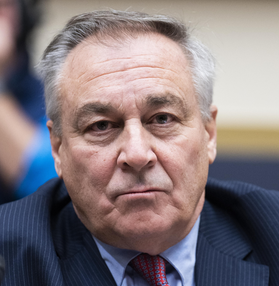 John J. Ray III