Cardano operates as a proof-of-stake blockchain platform with the stated objective of enabling “changemakers, innovators and visionaries” to drive positive global change. This open-source initiative also seeks to “redistribute power from unaccountable structures to the margins to individuals,” fostering a society that is more transparent, secure, and fair.
Established in 2017, the project is named for Gerolamo Cardano, a 16th-century Italian polymath. Its native token, ADA, honors Ada Lovelace, the 19th-century mathematician considered the world’s first computer programmer. The ADA token is structured to let owners take part in network operations, granting holders the right to vote on proposed software changes.
Developers of this layered blockchain state that compelling use cases already exist for their technology, which aims to support the modular development of smart contracts and decentralized apps. In August 2021, Charles Hoskinson announced the Alonzo hard fork, leading to a 116% price increase for Cardano over the next month. The ‘Alonzo’ hard fork officially went live on Sept. 12, 2021, introducing smart contract capabilities to the chain. Within the first 24 hours following the launch, more than 100 smart contracts were deployed.
Currently, agricultural firms use Cardano to trace fresh produce from field to fork. Other applications built on the platform enable retailers to combat counterfeit goods and allow educational credentials to be stored in a tamper-proof manner.





 Frederik Gregaard
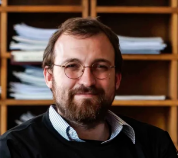 Charles Hoskinson
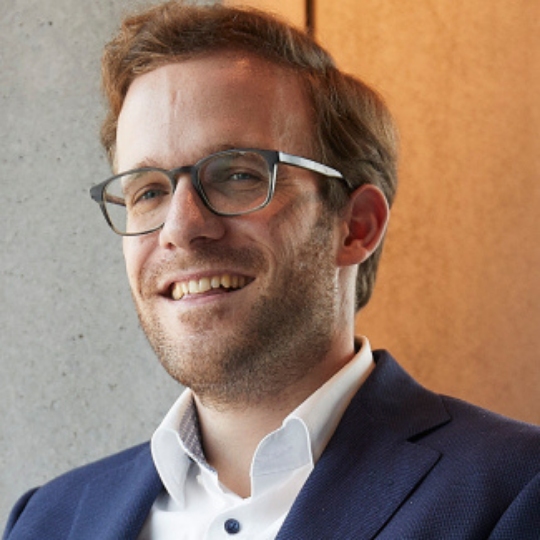 Nicolas J.
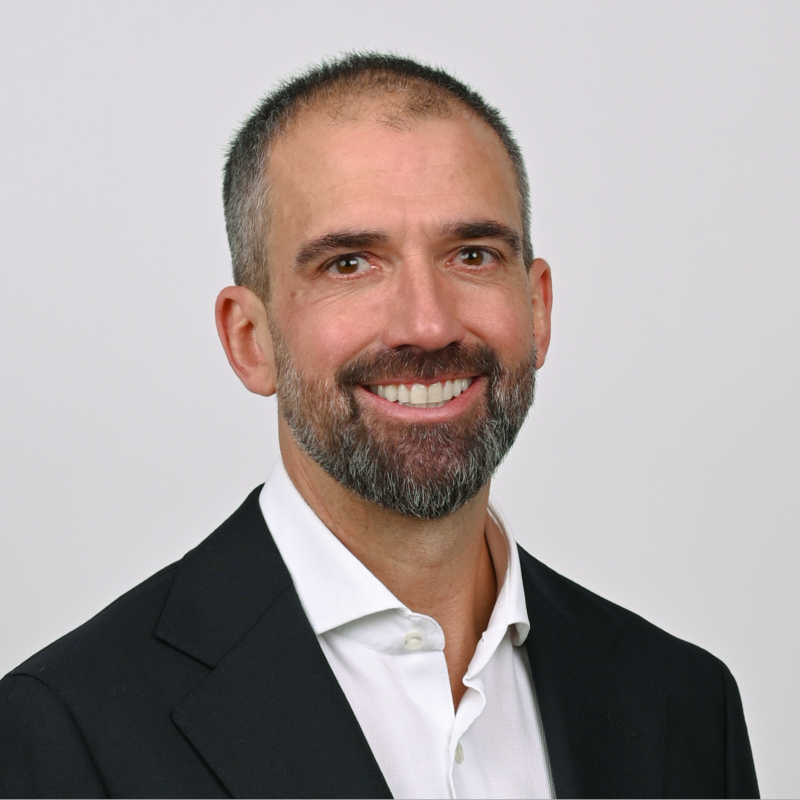 Stephen Wood
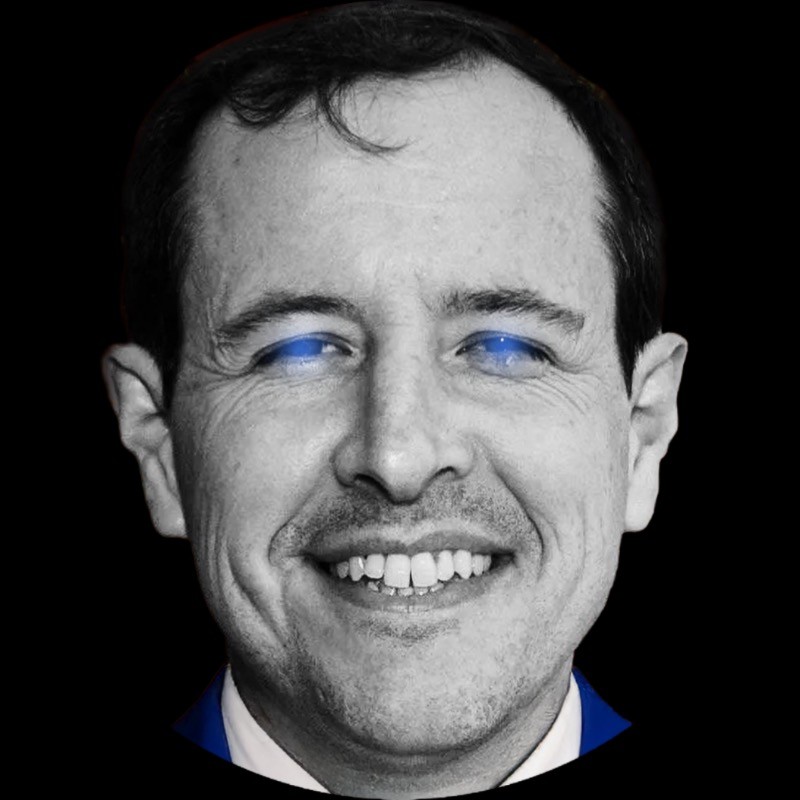 Romain Thierry Pellerin
 Giorgio Zinetti
 Sandro Knöpfel
 Rafael Fraga