

South Korea asks its biggest banks how a major crypto hack would hit them
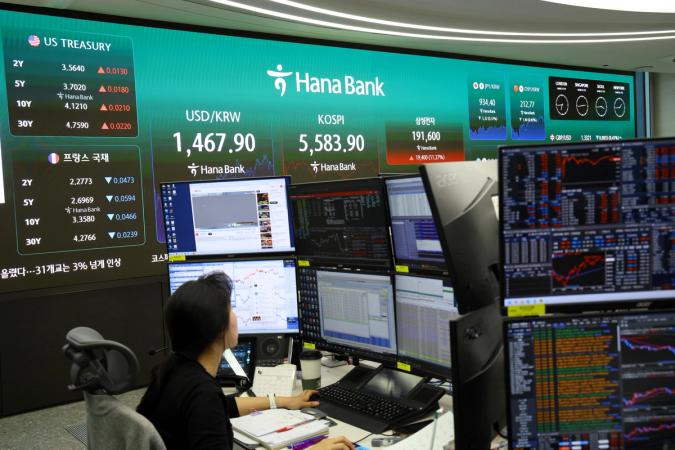
South Korea’s central bank has asked banks and brokerages how they would be affected if the country’s largest crypto exchange stopped operating after a hack, as it examines potential risks from their expansion into digital assets.
The Bank of Korea sent the survey to 18 banks and 13 securities firms on Oct. 23, with responses requested by Nov. 4,Yonhap reported. The banks include KB Kookmin, Shinhan, Hana, Woori and NH NongHyup. It is the first time the BOK has run such a survey
The exercise seeks to fill gaps in the central bank’s view of financial firms’ crypto activities. A BOK official told The Herald Business that existing business reports and information shared with the Financial Supervisory Service provide insufficient detail on those operations.
Alongside an exchange shutdown, the questionnaire asks about a sharp fall in crypto prices followed by a prolonged trading slump, and heavy crypto-related losses at another financial institution, according to the Herald.
The questions come after Binance, the world’s largest crypto exchange, suffered a $6.4 billion hack.
Another BOK official told the outlet that financial institutions are making their own preparations even as crypto legislation moves more slowly than the market expected.
The central bank is not signaling that trouble has already arrived. Current laws still limit how far financial firms can go into crypto, and the BOK does not consider risks to financial stability to have materialized, an official told local outlet Alpha Economy.
Some connections between banks and crypto platforms are already established. Undercustomer-protection rules introduced in 2024, exchanges must keep customers’ cash deposits at banks, separate from their own funds.
The banks must return that money directly to customers if an exchange goes bankrupt or loses its registration.
Bank lending is also expanding into crypto. Jeonbuk Bank began offeringbitcoin-backed loans to corporate clients in October, with a registered crypto service provider holding the collateral. If a borrower defaults, the bank would seek a court-ordered sale of the bitcoin to recover its money.
The survey also asks firms about their crypto teams, budgets, business plans and investments in domestic and overseas crypto companies.
The BOK plans to use the responses as internal reference data, according to the Herald. No sanctions or new rules have been decided.
More News


 BTC
 HYPE