Stargaze functions as a community-owned, decentralized network for NFTs built on a Layer 1 blockchain within the Cosmos ecosystem. It relies on CosmWasm for smart contract functionality and uses the Tendermint consensus engine. Tendermint is a Byzantine Fault Tolerant (BFT) algorithm that keeps the network secure and running even if some nodes fail or behave maliciously, which is vital for blockchain reliability.
In this system, validators propose and vote on transaction blocks. A block requires a supermajority of votes, usually two-thirds, to be added to the chain. This process prevents double-spending attacks and ensures the blockchain remains immutable. Validators are rewarded with staked STARS tokens for honest behavior, while malicious actions can result in the loss of these stakes.
By using CosmWasm, Stargaze supports complex decentralized applications (dApps) and smart contracts. The platform is highly interoperable, connecting with other Cosmos chains via the Inter-Blockchain Communication (IBC) protocol. It also links to Ethereum through the Gravity Bridge, enabling seamless NFT trading across different networks.
Governance is managed by the community through a dual DAO structure: a curation DAO that funds creators and curates NFTs, and a protocol DAO that manages upgrades and parameter changes. Holders of STARS tokens vote in these DAOs, giving them direct influence over the network’s direction.
The supply of STARS tokens is controlled by a unique inflation model. Currently, it follows a "thirdening" schedule, reducing the inflation rate by one-third annually. This began with an initial 100% inflation rate in the first year and decreases over time to manage supply and reward early users.
The ecosystem provides tools like Stargaze node software, allowing users to operate validators, run full nodes, and execute command-line tasks. Validators are essential for securing the network by validating transactions and creating new blocks.
Founders Shane Vitarana, Jorge Hernandez, and Jake Hartnell contribute significant software engineering expertise. Their experience includes work on the Cosmos SDK and other open-source initiatives. Shane Vitarana, for instance, has nearly three decades of programming experience, having developed popular iOS apps and contributed to Ruby on Rails.
The network aims to build a decentralized NFT marketplace similar to OpenSea but governed by its community. Users can trade NFTs with the advantage of interoperability with IBC-enabled chains and Ethereum. This combination of Tendermint, CosmWasm, and IBC technology creates a secure, scalable, and interoperable environment, while community governance and the inflation schedule support long-term sustainability.




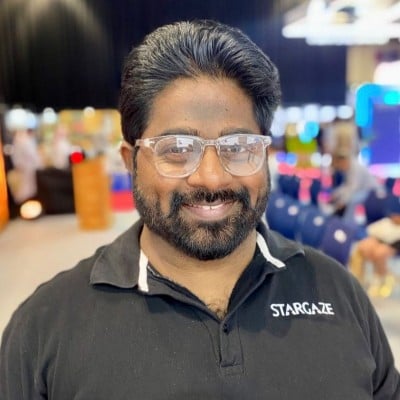 Rahul Reddy
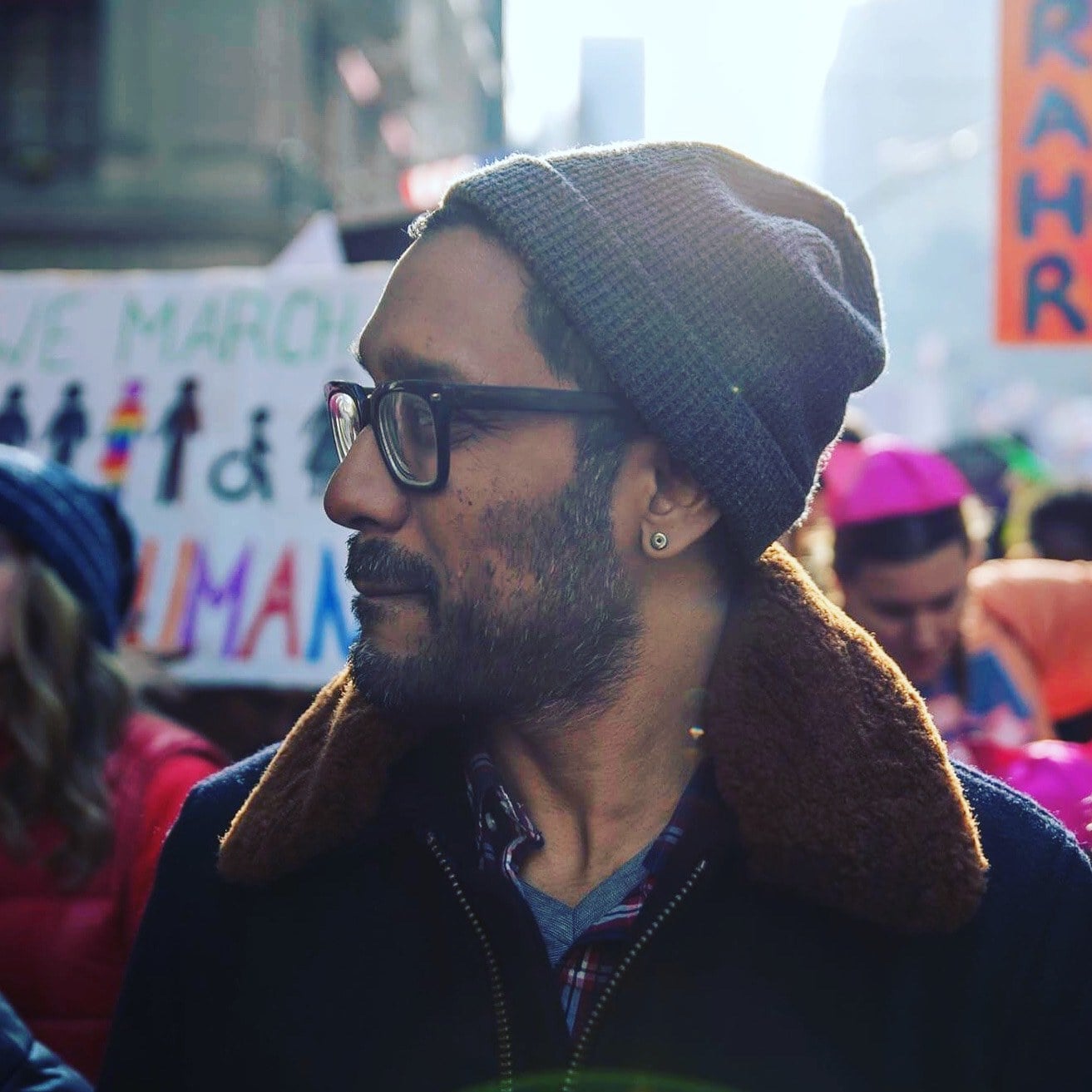 Shane Vitarana
 Jake Hartnell