CryoDAO (CRYO) combines blockchain technology with cryopreservation science. It uses decentralized blockchain structures to finance and manage research into freezing biological samples at extremely low temperatures for future use. This approach aims to progress regenerative medicine and potentially extend human life.
The underlying blockchain prioritizes transparency, security, and decentralization. By utilizing a decentralized ledger, CryoDAO removes the need for a central authority, spreading control among participants. CRYO tokens are central to the governance of this Decentralized Autonomous Organization (DAO). Holders of these tokens can vote on proposals, direct funds to research initiatives, and influence the organization's future path.
To maintain security, CryoDAO implements mechanisms against malicious actors. It relies on consensus algorithms like Proof of Stake (PoS) or Proof of Work (PoW), which require participants to validate transactions and add them to the chain. These methods make it computationally expensive and practically infeasible for bad actors to change the blockchain's history. Cryptographic techniques further ensure that data remains tamper-proof and secure.
CryoDAO targets a significant gap in cryopreservation research and development. It aims to fund projects that could yield breakthroughs, such as new cryoprotective agents to lower toxicity or distinct cryoprotection protocols based on ischemia. Decentralizing funding helps ensure promising studies get the necessary resources and attention.
This integration of blockchain and cryopreservation fosters global collaboration. Researchers worldwide can contribute to and benefit from the CryoDAO community’s shared knowledge and resources. This model accelerates research speed and democratizes access to funding and decision-making.
Beyond governance and funding, smart contracts automate processes within the DAO. These self-executing agreements, with terms coded directly into software, can automatically release funds when predefined milestones are met, ensuring accountability and transparency.
By backing innovative cryopreservation research, CryoDAO could enable new therapies that improve quality of life and extend human lifespan. The DAO’s decentralized nature ensures these advancements reflect the collective wisdom of the community rather than a single entity. This model demonstrates how blockchain can create equitable, efficient systems for scientific progress, with potential applications in other fields.




 Vincent Weisser
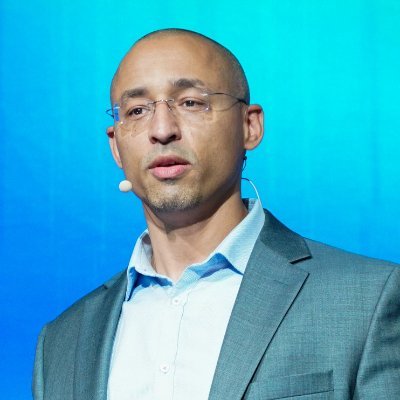 Eli Mohamad
 Emil Kendziorra
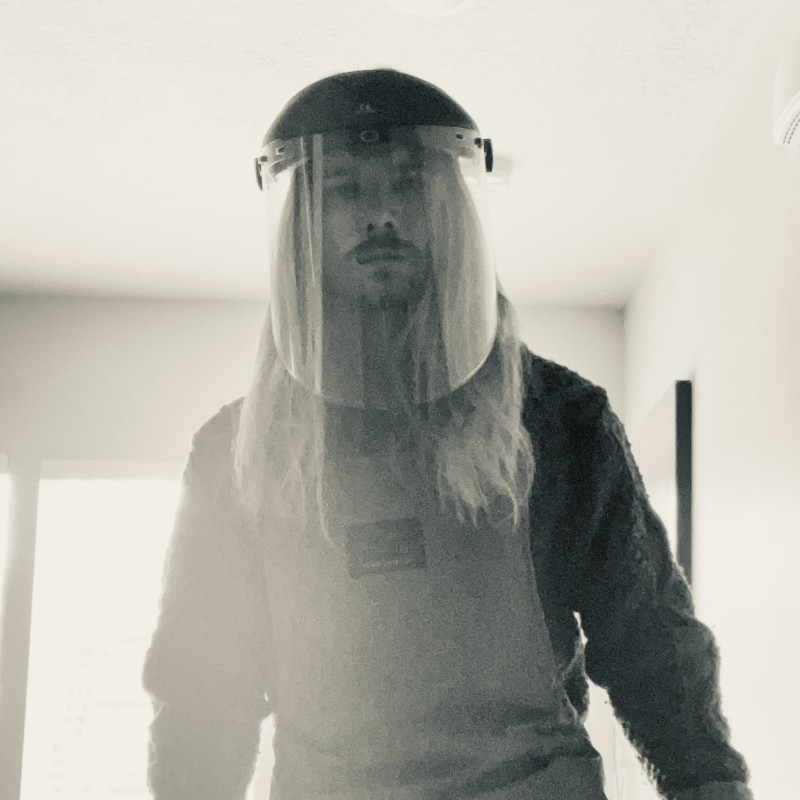 Kai Micah Mills